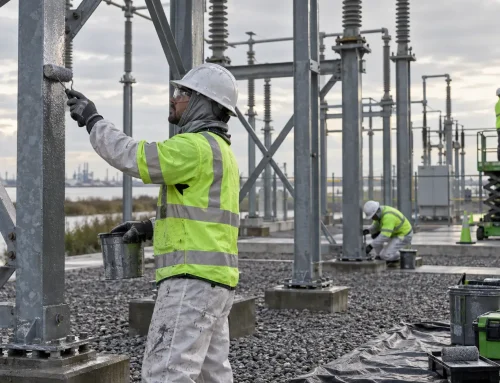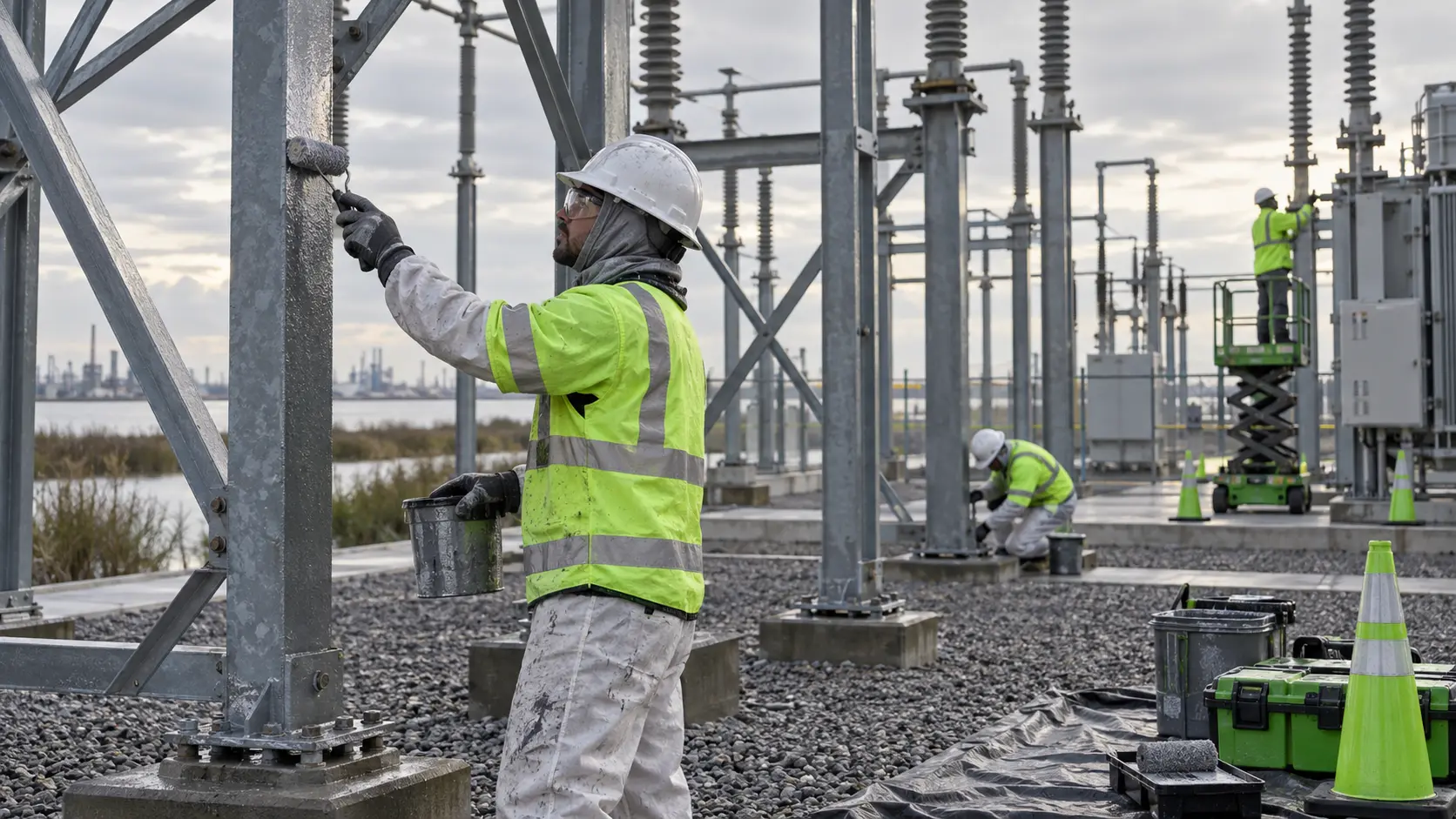
Coastal humidity, airborne salts, wet-dry cycling and industrial contaminants create aggressive conditions for steel and concrete assets. Corrosion control works best as a planned system rather than an emergency repaint.
Salt and Moisture Accelerate Risk
Salt attracts moisture and can remain in pits, seams and existing coating defects. Painting over contamination can trap the conditions that drive underfilm corrosion.
Geometry Creates Weak Points
Edges, welds, bolts, crevices, horizontal surfaces and drainage traps often deteriorate first. Inspection and stripe-coating plans should focus on these locations.
Maintenance Timing Matters
Small coating failures are usually easier to address before widespread rust, delamination or section loss develops. Routine condition surveys help owners prioritize limited maintenance budgets.
Select for Real Exposure
UV, immersion, chemicals, heat, abrasion and condensation require different performance properties. Generic labels such as industrial enamel do not define a complete protective system.
Plan the Work Around the Asset
Coating recommendations should be confirmed against the substrate, exposure, owner specification, product data sheets and actual site conditions. A field assessment is the correct starting point.