
Technical resources / Coating Quality Control Support / Coating Film Defect Mapping and Repair Scope
Give every finding a location that can be revisited
Identify the project, asset, surface or member and relevant coating layer where known. Use a drawing, grid, member reference or marked photograph that lets another person find the same area. Include an overview and closer views where useful, with the boundary and orientation clear. A close photograph can show a finish condition while failing to establish which side of which unit it belongs to. Start with location so the finding remains usable after access, lighting, equipment position or other project conditions change.
Assign a finding reference and keep related observations connected without forcing different conditions into one undifferentiated defect count. Show approximate extent through the agreed survey basis and identify areas not inspected. If the first view is restricted, state the limitation and further access needed. A map should describe actual observed coverage rather than imply the entire asset was assessed because several accessible faces were photographed. Preserve the distinction between a located observation, a proposed wider survey and a completed inspection record for the defined surface package.
Describe the observation before assigning a cause
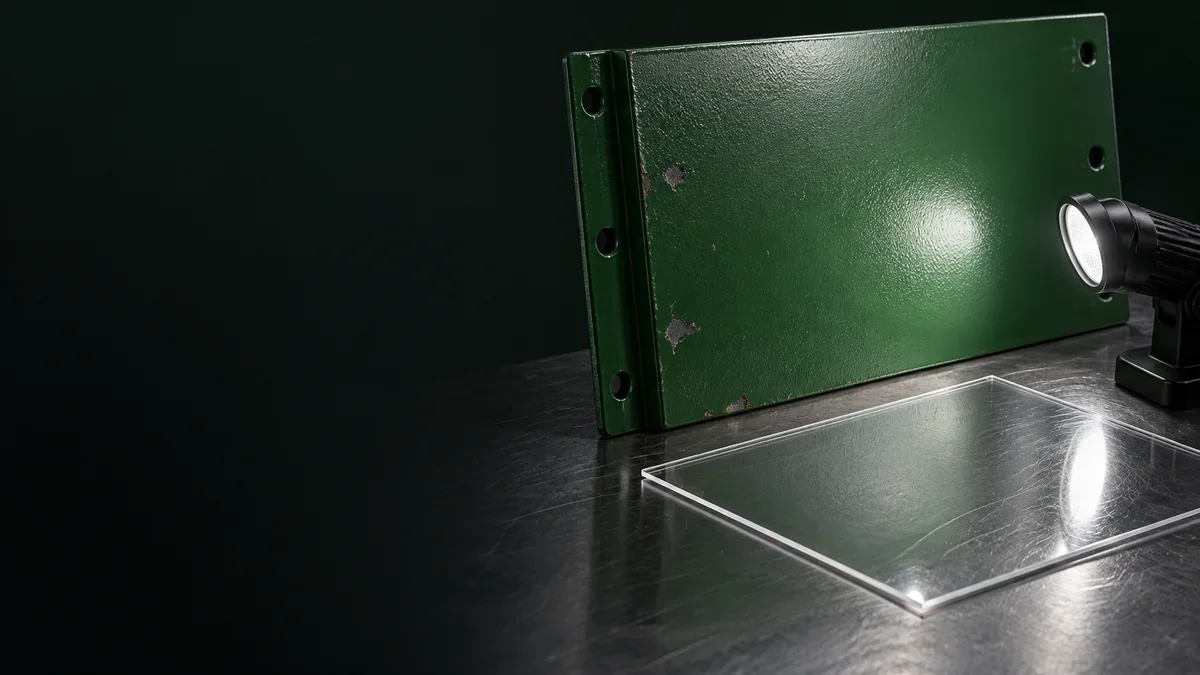
Use clear descriptive terms and the project's terminology for visible condition, supported by relevant photographs and observations. Elcometer distinguishes examples such as runs or sags, cratering and undercoating; the categories describe different film concerns rather than one interchangeable appearance issue. Identify the actual condition and evidence without declaring a cause from a generic image alone. The responsible review may need product, preparation, application, thickness or other project records before deciding whether a finding needs treatment and what response is appropriate.
Keep observed appearance, measured evidence and interpretation in separate parts of the record. If a suspected issue needs a specified test or closer examination, identify that requirement and its location. Do not substitute a convenient visual check for another acceptance method required by the project. Equally, do not present an isolated test result as proof of every surrounding face. The record should show what was actually observed or measured, the relevant boundary and the question the responsible project or manufacturer reviewer is being asked to resolve.
Review against the actual system and acceptance basis
Provide the issued specification, selected product documents, applicable inspection requirements and relevant application history. Identify the coating stage and exposure before the proposed repair. Acceptance can depend on the actual requirement and condition, so avoid a universal rule that every appearance variation is harmless or every visible mark requires full removal. Where information conflicts or a cause remains unresolved, record the responsible question and authorized response before work changes the affected surface or makes the original condition harder to evaluate.
Locate findings that raise separate substrate, structural or equipment concerns and refer them to the appropriate responsible parties. A finish-repair package should not conceal an unresolved underlying condition or imply a wider assessment than performed. If review expands the survey or treatment boundary, record the added area and its authorization. Keep system suitability and repair details connected to the actual asset instead of copying a response from a superficially similar defect on another unit with different exposure, material or retained finish.
Turn the disposition into a measurable repair package
Identify the finding references included, actual treatment boundary, preparation and coating requirements, protection and access. State which materials remain, where transitions occur and what inspections apply before another layer hides the repair. Use the authorized system or responsible technical response rather than an improvised universal touch-up instruction. If several repair categories are agreed, distinguish their quantities and requirements so a quotation for localized finish work is not confused with a wider removal package or unrelated substrate repair.
Assign responsibilities for access changes, equipment removal, operational release and reinstatement where relevant. Identify whether the repair affects other accepted surfaces or requires another trade's work first. Include the intended cure or exposure stage through the actual system requirements. A small marked area can have dependencies beyond its measured size, so the work package should reflect the practical arrangement. Keep commercial change authorization connected where needed without assuming that a technical repair comment silently approves every quantity or schedule effect.
Verify repairs against the original finding map
Record completed treatment by finding reference and locate required preparation, application and acceptance evidence. Identify the actual date and stage reviewed rather than automatically mark every related item closed when one photograph shows a consistent color. Keep the agreed access available for relevant checks. If the repair reveals another condition or changes the boundary, record that finding and responsible disposition separately while retaining its relationship to the original location and selected protective system.
Use clear statuses for observed, under review, authorized, repaired and accepted according to the project's process. Distinguish physical completion from required record submission or final acceptance. Closeout should preserve the original observation, responsible response, delivered repair boundary and evidence resolving the item. Later transport, installation or service damage should have its own event reference rather than overwrite the original acceptance history. This makes the map useful for maintenance and future review instead of a temporary list that loses meaning once the last touch-up coat is applied.
Define the coating scope before pricing
Send the located finding map and evidence. Define the review decision, repair boundary and required acceptance stages before comparing treatment proposals.
Request a defined survey or repair review
Send the asset references, located photographs, finding map, specification and available preparation or application records. Identify required inspection methods, access limitations, responsible reviewers and the intended next project stage. State whether the request concerns initial observation, a wider survey, an authorized repair or verification of completed treatment. Those are different scopes and should be priced or coordinated on their actual boundaries. A clear request helps the owner compare like-for-like work without assuming every review includes every test or an unrestricted full-asset survey.
Dominant Service & Supply, LLC is based in Harvey, Louisiana, and serves customer facilities and job sites through agreed project arrangements. Call or text 504-579-4330 or submit Request a Quote with the finding information and documentation requirements. The Harvey operating base is not a customer-facing storefront. Agree the actual repair and acceptance basis before execution. The goal is a traceable path from observed condition to responsible decision and accepted surface work, with original evidence and limitations retained for the owner's practical maintenance record.
Reference documents for this scope
Review the current applicable project, manufacturer and regulatory documents for the actual scope. Use these references alongside the approved requirements and assigned project responsibilities.
Coating Film Defect Mapping and Repair Scope FAQs
What should identify a mapped finding?
Use project, asset, surface and finding references with an overview and located detail where useful. Provide orientation and the actual observed boundary. Another reviewer should be able to revisit the same area after access, lighting or equipment arrangements change.
Can a close photograph establish the full extent?
It may show condition without locating the area or establishing wider coverage. State survey limits and access restrictions. Distinguish the observed surface from a proposed expanded survey rather than imply a complete asset assessment from several accessible images.
Should the first record state a root cause?
Separate observed appearance and measured evidence from interpretation. Identify the question and records needed for responsible review. A generic photograph or a familiar defect name should not by itself establish the cause or appropriate treatment of the actual coating system.
Are all visible blemishes treated the same way?
Use the actual acceptance requirement, coating stage, exposure and responsible disposition. Different film concerns can need different review. Avoid a universal assumption that every variation is harmless or that every visible mark requires the same full-removal repair.
What documents support disposition?
Provide the specification, selected system, relevant product information and available preparation or application records. Include required inspection evidence. Resolve conflicts through the responsible project or manufacturer review before changing the surface or relying on a copied response from another asset.
Can a visual check replace another required method?
Follow the actual inspection plan and acceptance requirements. Locate what was observed or measured and its coverage. A convenient visual observation should not silently replace a specified test or imply that one isolated result establishes every surrounding surface.
What if the substrate needs separate review?
Locate the concern and obtain the appropriate structural, equipment or other responsible assessment. A finish repair should not conceal an unresolved underlying condition. Keep resulting changes connected to the finding while defining separate repairs and release requirements explicitly.
What turns a finding into a repair scope?
Identify authorized references, treatment boundaries, preparation, selected system, access, protection and acceptance stages. State quantities and responsibilities. A broad instruction to touch up should not substitute for the actual reviewed repair package and its practical dependencies.
How are repair categories separated?
Use the authorized treatment differences and measured basis. Distinguish local finish work, wider removal and separate substrate tasks where applicable. This supports comparable quantities and quotations without combining unlike work under one unexplained defect count.
When can a finding be marked closed?
Use the project's required completion, records and acceptance process. Physical repair and accepted work may be different statuses. Connect the evidence and responsible decision to the original finding rather than close every related item from one final appearance photograph.
How is later damage recorded?
Give transport, installation or service damage its own event and location reference. Retain the original accepted repair history. Connect later treatment to the relevant system without overwriting earlier evidence or implying the events were part of one uninterrupted original repair.
How do we request defect mapping or repair review?
Send located findings, asset references, specification, available records and required inspection scope. Identify access limits and the decision needed. Call or text Dominant Service & Supply, LLC at 504-579-4330 or use Request a Quote.
Related coating services and next steps
Discuss your coating project
Dominant Service & Supply, LLC serves Gulf Coast customer facilities and job sites from Harvey, Louisiana. Call or text 504-579-4330, or send the project details for a scoped quotation.