
Technical resources / Coating Bid Checklist / Coating Delivery Inspection for Fabricated Steel
Start with the shipment and component references
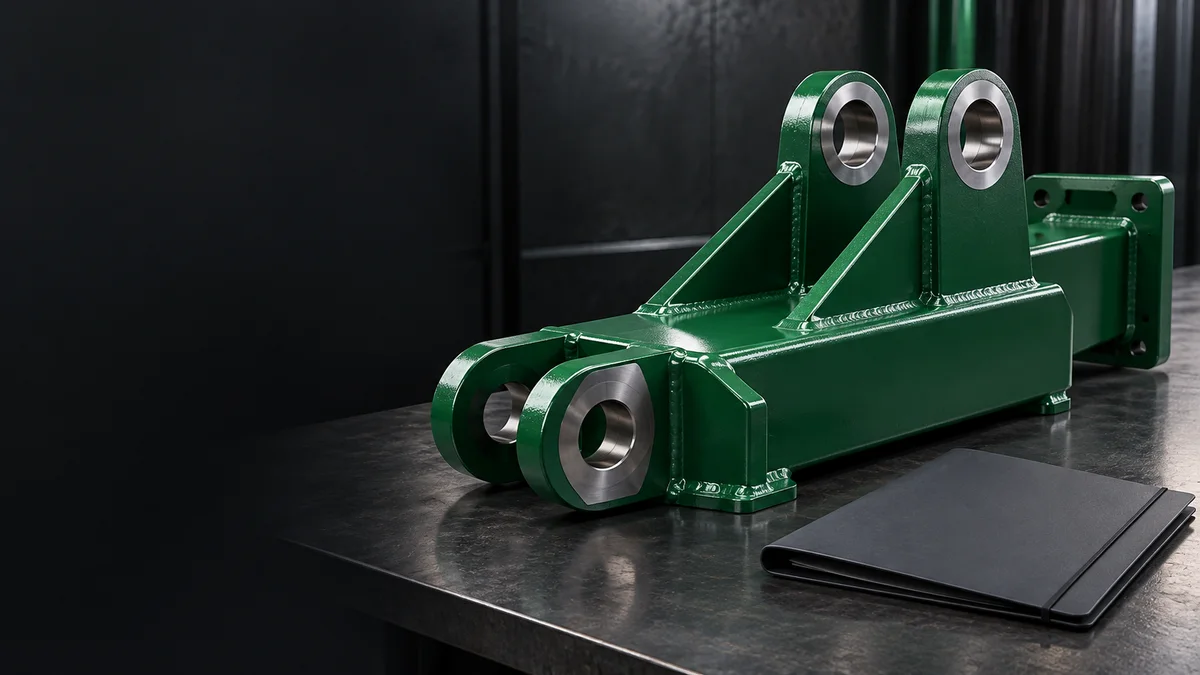
Use the project’s delivery documents and actual member or assembly marks to identify the steel. Record the location and time of the receiving observation through the agreed process. A photograph of a damaged green beam is more useful when the owner can connect it to a specific piece, delivery and coating requirement.
Distinguish shipment-level information from component-level condition. One delivery can contain items with different systems, destinations or installation stages. The receiving record should show which components were reviewed and which were not accessible, rather than imply that an entire package received the same level of inspection from a single overview.
Define the scope of the coating receiving review
Agree on what the review is intended to record, such as visible finish condition, identification, available coating documents and specified inspection items. Identify the responsible reviewer and the applicable project requirements. A general delivery check is not automatically equivalent to all fabrication, coating or structural acceptance work required elsewhere in the contract.
Keep the limits visible. Some surfaces may remain hidden by packaging or assembly condition, and some required evidence may come from prior production records. State what was actually observed and what remains subject to review. This helps the owner distinguish a documented receiving condition from a broader conclusion that has not been established by the available inspection.
Record observations without inventing their cause
Describe the actual finish condition at identified locations: scratches, chipped film, worn contact areas, exposed steel or other observed defects. Use an overview and close photographs where needed to locate the concern. Record the observation before related repairs or later handling alter the condition, under the responsible receiving arrangement.
Separate an observed coating issue from a conclusion about when or why it occurred. Responsibility, delivery acceptance and commercial questions belong to the project’s assigned parties. The inspection record should preserve useful evidence and status without inventing a carrier fault, fabrication finding or other cause that has not been established.
Connect condition records to the specified system
Identify the coating specification, approved system and relevant revision for each affected component group. Link available application or inspection records through the project’s document process. A similar finish color does not establish that two members have the same underlying system, preparation or repair requirements.
If information is missing or inconsistent, identify the question and responsible review rather than silently substitute a requirement. The receiving record can show documents provided, records outstanding and clarification needed. Keep that documentary status connected to the actual components so a later repair or acceptance decision uses the correct system information.
Distinguish coating concerns from other steel issues
Suspected distortion, damage to welds, missing parts or other substrate and assembly concerns need the appropriate owner or specialist review. A coating receiving record should identify and route the concern without presenting a finish observation as a complete structural or dimensional assessment. Keep separately assigned review and release responsibilities clear.
Likewise, acceptance of the visible coating condition does not independently establish every construction or operating requirement for the fabrication. Record the actual inspection scope and open items. The owner needs to understand whether a component is awaiting a coating correction, an engineering decision, documentation or another task before the next project stage.
Define the coating scope before pricing
Send the identified surfaces or project-documentation requirements, relevant photographs and the intended work window. Include access, protection and owner responsibilities so the quotation can address the actual coating package.
Give each repair or clarification a traceable disposition
Assign an identifiable item and location to concerns needing action. Record the required reviewer, proposed disposition and status through the project process. If coating repair is approved, connect the accepted method and surface boundary to the receiving observation rather than replace the original record with a general completed note.
Use subsequent inspection evidence to close the specific correction under the actual requirements. If a repair area expands or another concern appears, update the record and approval path. Keep accepted corrections, open questions and conditions assigned to other parties distinguishable so the receiving package remains useful beyond the day of delivery.
Coordinate storage, handling and installation handoffs
Identify the responsible parties for the component’s next movement, temporary holding and presentation to another trade. The coating condition can change after the initial receiving check, so the project should retain enough handoff information to distinguish the observed delivery state from later activities. The record should support coordination without inventing a legal transfer-of-risk conclusion.
Where the selected system has relevant cure or handling restrictions, include the actual requirements and release status provided for the next activity. Keep them separate from visual appearance alone. A component that looks finished may still have an outstanding coating, documentation or other project condition to resolve before the owner authorizes its intended next stage.
Include receiving requirements in the project inquiry
Send the site, fabrication list, shipment or component references, coating requirements and owner report format. Add the intended receiving window, access limitations and responsibility for document review, condition assessment and repair decisions. Identify whether the request includes coating quality-control attendance, a defined repair package or another agreed task so the offer reflects the actual scope.
Call or text 504-579-4330 or use the project quote form. Dominant Service & Supply, LLC serves customer facilities and job sites from Harvey, Louisiana. Calls and texts are monitored 24/7; assessments, inspection attendance, repair work and field availability are arranged for the project and its actual requirements.
Coating Delivery Inspection for Fabricated Steel FAQs
What identifies a fabricated-steel delivery inspection record?
Use the project’s actual shipment, member or assembly references, receiving location and observation time. Connect photographs and findings to the relevant components. This makes the condition record traceable instead of leaving a general image or note that cannot identify the steel concerned.
Does one delivery photograph establish the condition of every component?
No. Record which items and surfaces were actually reviewed and identify inaccessible portions. Shipment-level and component-level evidence serve different purposes. A package overview should not imply the same inspection coverage for steel hidden by packaging or assembly conditions.
What should the coating receiving scope specify?
Identify the visible condition, documents and inspection items to be reviewed, with the applicable requirements and responsible reviewer. Keep the actual scope and limitations clear. A general delivery check is not automatically all coating, fabrication or structural acceptance work.
Should the report state who caused a coating defect?
Record observed facts and preserve the evidence without inventing a cause. Responsibility, commercial acceptance and related contract decisions belong to the assigned project parties. The receiving record should distinguish a documented condition from conclusions not established by the inspection.
Why connect the record to the coating specification?
Different component groups can have different systems and repair requirements despite similar colors. Identify the approved system and revision, along with available records. This helps later reviewers assess the actual surface against its requirements rather than an assumed generic finish.
What if coating documents are missing?
Identify the missing or inconsistent information and the responsible clarification path. Record documents provided and items outstanding by component group. Do not silently replace an unknown requirement with an unreviewed assumption during receiving or repair planning.
Does a coating receiving check establish structural acceptance?
Not by itself. Distortion, weld, dimensional or assembly concerns require the appropriate owner or specialist review. Identify and route those matters separately, with the actual coating inspection scope and remaining project-release conditions visible.
How should a delivery coating repair be tracked?
Link the concern to the component, location, approved repair boundary and method. Retain the original observation and subsequent correction evidence. Close the specific item under the actual inspection requirements rather than substitute a broad completed status for the entire shipment.
Can inspection and touch-up be part of one inquiry?
Yes, when each requested task and responsibility is defined. Identify receiving attendance, document review, repair approval and coating work separately. The actual offer should show the agreed package instead of assuming every receiving or acceptance function is included.
Why record later storage and handling handoffs?
The surface condition can change after the first observation. Identifiable handoffs help the project distinguish receiving records from later activities and coordinate protection or release. They should document actual facts without inventing a legal conclusion about commercial risk.
Does a finished-looking component have no remaining restrictions?
Not necessarily. Required coating records, cure or handling conditions and other project decisions may remain open. Identify the actual status and responsible reviewer before the next activity, keeping visual appearance separate from the broader release requirements.
How do I discuss receiving or repair scope with Dominant?
Contact Dominant Service & Supply, LLC at 504-579-4330 or send the fabrication list, requirements and receiving window through the quote form. The company serves customer sites from Harvey, Louisiana, with inspection and field work arranged for the actual project.
Discuss your coating project
Dominant Service & Supply, LLC serves Gulf Coast customer facilities and job sites from Harvey, Louisiana. Call or text 504-579-4330, or send the project details for a scoped quotation.