
Industrial coating applications / Marine and Coastal Coatings / Vessel Ventilator Exterior Coatings
Identify each ventilator and its external surface package
Use the owner's vessel, deck and equipment references on drawings or marked photographs. List cowls, external housings, support brackets, bases and other included steel with dimensions and material information. Distinguish grilles, screens, internal passages and adjoining deck or duct surfaces. An overall photograph may locate the ventilator but does not establish which faces are accessible or which items use a different material and treatment. Give each unit a reference that can continue through preparation, inspection and the final maintenance record.
State whether the ventilator stays installed or is made available under another approved maintenance arrangement. Mark faces concealed by the mounting or adjacent equipment, and identify any authorized removal needed to expose additional surfaces. Where several units are included, schedule condition, size, material and availability differences. A repeated allowance is useful only when its basis is clear; visually similar housings may have different protected interfaces or access requirements under the actual vessel arrangement.
Review finish condition and the relevant operating information
Locate coating loss, corrosion, deposits, previous repairs and damage by unit and external face. Provide installed product records, cleaning practices, exposure and the issued specification. Identify retained finishes and areas requiring closer access. The preparation and compatibility review should follow the actual substrate and selected system rather than assume every marine cowl or housing can receive the same treatment. A clean visible side does not establish the condition around a sheltered base or a face behind another installed component.
Provide owner or equipment information relevant to the proposed exterior work, including protected details and any restrictions tied to the ventilator's role. Mechanical condition, airflow performance and internal system requirements remain with the appropriate responsible parties. Where a finding raises a separate housing, mounting or equipment concern, obtain that review before coating affected areas. Record resulting repairs and changed boundaries so appearance refurbishment does not conceal an unresolved issue or imply an equipment assessment beyond the actual external finish package.
Coordinate availability with the vessel maintenance plan
The owner and appropriate marine or equipment parties should establish the unit availability, approved release and site access arrangement. Identify the ventilator's operating role and any requirements that affect when external preparation or painting can occur. Provide responsible contacts and the permitted work window. A proposed coating date does not itself authorize interrupting ventilation, opening a system or removing a component. The quotation should use actual released external surfaces and the protection arrangement agreed for that specific unit.
Where several units are treated in sequence, show which can be unavailable together and how equipment or access requirements affect the stages. Identify who handles approved disconnection, support, removal and reinstatement if needed. Repeated setup and restricted faces should remain visible in the proposal. Keep the coating package connected to the owner's actual maintenance plan rather than assume the vessel can release every ventilator at once or that normal operation can continue beside any proposed preparation method without further review.
Define openings, grilles and moving interfaces
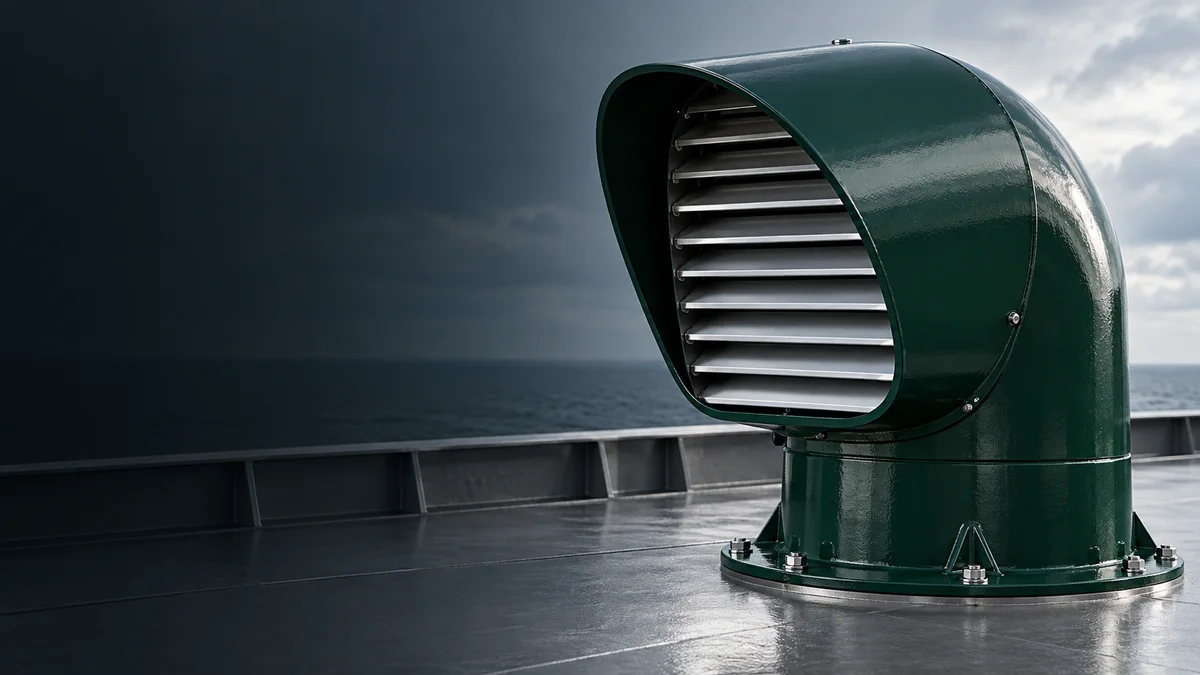
Mark openings, screens, grilles, dampers, drains, labels, fasteners and other functional features actually present. Provide applicable owner and equipment requirements for masking, protection and finish terminations. Identify different materials and items outside the proposed treatment. A broad request to repaint a ventilator should not authorize coating indiscriminately across every screen or moving interface, filling an opening or treating an internal passage with the same finish selected for the exposed exterior housing.
Use the approved system and actual condition to define preparation transitions and treatment at included edges, bases and connections. Identify surfaces remaining inaccessible with fittings installed. If another authorized task exposes additional faces, review their quantities and inspection stage before inclusion. State how later reinstatement or movement damage will be handled. The record should describe external coverage accurately so a consistent finished appearance is not presented as evidence of internal duct coating, mechanical servicing or function checks that were not part of the package.
Locate inspection evidence before reinstatement
Agree required preparation observations, product traceability, application records and coating acceptance checks against the ventilator schedule and face map. Keep approved access available for relevant stages before another maintenance task changes the arrangement or obscures treated surfaces. Locate repairs, limitations and outstanding items. A photograph of the finished cowl may show appearance without establishing the accessible base coverage, retained-coating transition or protected functional interfaces that formed part of the actual accepted exterior package.
Review the applicable coating release for handling, reinstatement and intended exposure using the selected system and actual conditions. Separate that evidence from mechanical checks, airflow review and the owner's operational release. If later installation affects the finish, identify the damage and responsible repair arrangement while retaining the unit reference. Closeout should explain accepted external surfaces and relevant records without suggesting that protective-finish acceptance certifies ventilator performance or authorizes return to service independently of the appropriate equipment and vessel decisions.
Define the coating scope before pricing
Send the ventilator schedule and exterior face map. Define availability, opening protection and inspection access before comparing coating proposals.
Request an exterior ventilator coating proposal
Send the vessel location, unit schedule, dimensions, material and condition photographs, coating records and specification. Include the actual availability window, owner or equipment protection requirements, access and inspection arrangements. Identify internal surfaces and separate maintenance tasks outside the requested finish package. If the survey is restricted, state which faces still need review. Comparable proposals should use equivalent exterior boundaries rather than one assuming an installed accessible-face repair and another pricing removed equipment with wider surface coverage.
Dominant Service & Supply, LLC is based in Harvey, Louisiana, and serves customer facilities and job sites through agreed project arrangements. Call or text 504-579-4330 or use Request a Quote with the ventilator information and responsible contacts. The Harvey operating base is not a customer-facing storefront. Specialized work and equipment movement are coordinated directly where relevant. Equipment movement, the project work location and vessel maintenance window are arranged directly for the agreed scope with the responsible contacts.
Vessel Ventilator Exterior Coatings FAQs
Which ventilator surfaces should be listed?
Identify external cowls, housings, bases, brackets and accessible steel details with dimensions and materials. Separate screens, grilles, internal passages and adjoining deck or duct surfaces. The proposal should describe actual external coverage rather than an assumed complete ventilation-system treatment.
Is internal duct coating included?
Identify internal surfaces as a separate request with their own system, access and responsible review. An exterior housing package should not silently imply internal treatment or use one finish across every environment associated with the ventilator.
Can the unit remain installed?
Show the external faces accessible under the approved arrangement and mark concealed areas. If another authorized task exposes more surfaces, review quantities and inspection access before inclusion. Do not claim complete coverage of a mounting contact that remains assembled.
Who controls ventilation availability?
The owner and appropriate marine or equipment parties establish release and operating requirements. Provide contacts and permitted windows. A coating request or proposed date does not authorize interrupting ventilation, opening a system or removing a component.
Can several units be treated together?
Provide the actual availability plan and unit schedule. Similar housings may have different operating roles or protected interfaces. A repeated allowance needs a clear basis without assuming every unit can be unavailable simultaneously under the vessel's maintenance arrangement.
What should accompany condition photographs?
Send installed coating records, substrate information, previous repairs, cleaning practices and the specification. Locate unseen faces and further access needed. One clean visible side should not be treated as evidence of every sheltered base or concealed mounting condition.
Are grilles and screens painted with the housing?
Identify their materials and applicable equipment requirements separately. Define protection and finish terminations before work. A general repaint instruction should not authorize coating indiscriminately across openings, screens or working interfaces important to the actual ventilator arrangement.
What if a damper or other moving detail is present?
Mark the actual feature and provide owner or equipment requirements for protection, removal and terminations. Keep functional work separately assigned. The exterior finish package should not silently include adjustment, repair or acceptance of moving equipment.
Does recoating establish airflow performance?
Airflow, mechanical condition and system performance require the appropriate responsible review. Coating acceptance concerns the defined protective finish. Record separate equipment decisions so appearance work is not presented as a broader ventilation-performance certificate.
When should inspection access remain available?
Retain the approved arrangement for required preparation and coating checks before removal or reinstatement changes surface access. Locate evidence by unit and face. Final appearance photographs should not become the only explanation of accepted coverage and protected interfaces.
Does finish release authorize return to service?
The owner coordinates operational readiness and other equipment approvals. Coating evidence addresses the selected system and intended next stage. Preserve that distinction in the handoff and in any review of damage caused during later movement or reinstatement.
How do we request ventilator exterior pricing?
Send the unit schedule, photographs, dimensions, specification and approved availability window. Include protected interfaces and separate maintenance responsibilities. Call or text Dominant Service & Supply, LLC at 504-579-4330 or submit Request a Quote for the defined exterior package.
Related coating services and next steps
Discuss your coating project
Dominant Service & Supply, LLC serves Gulf Coast customer facilities and job sites from Harvey, Louisiana. Call or text 504-579-4330, or send the project details for a scoped quotation.