
Technical resources / Coating Quality Control Support / Coating Cure Before Transport Release
Identify the asset and the proposed movement stage
List the coated components, their project references and the surfaces affected by handling. State the intended movement, destination, loading window and responsible handling parties. Distinguish a short repositioning operation from loading, transport, unloading and reassembly where those stages are relevant. The surface contact and support arrangements may differ between them. A release request should describe the actual operation rather than use the single word ready without explaining what the component will experience next.
Identify which coating areas may contact supports, packing, straps or lifting arrangements, and which surfaces remain protected or excluded. The appropriate equipment and handling parties must establish their own approved method and responsibilities. Coating review supports that handoff with the relevant surface and cure information; it does not establish lifting capacity, securement adequacy or a carrier's transport acceptance. Keep those approvals visible alongside the coating release so one party's sign-off is not mistaken for another's.
Assemble system documents and application history
Use the current approved product and project documents for the actual system, including the requirements relevant to the intended handling stage. Identify each coat and the recorded application dates, conditions and relevant inspections. A published example for another product is not a release criterion for the installed finish. The reviewer needs enough traceable information to determine which applicable requirement is being evaluated and whether the recorded application history supports that decision.
Distinguish handling readiness from recoat intervals and from cure requirements for later service exposure. Those are separate questions even when they appear in the same product documentation. Where the required handling condition or record is unclear, obtain the appropriate manufacturer or project clarification and retain it with the release package. Avoid replacing missing evidence with a universal elapsed-time rule, a color change or a surface that simply feels dry to the touch.
Review contact points and protection before loading
Provide a drawing or marked photographs of support and contact locations so the coating reviewer and responsible handling parties can understand the interface. Identify the proposed protection materials and who approves their suitability. Contact pressure, surface geometry and the actual finish condition need an agreed handling arrangement, not an assumption that any padding makes a newly coated surface transport-ready. Record surfaces requiring particular protection and any approved limitations on where contact may occur.
Where temporary fixtures, masking or touch-up areas remain, identify whether they must be resolved before movement or can be completed through a separately agreed sequence. Explain how a later repair location will remain identifiable and accessible at the destination. A release for one handling stage should state its boundary clearly. It should not silently authorize a different support layout, immediate assembly or exposure conditions that were absent from the original review and approval.
Define the release hold point and responsible signatures
Set the required inspection and document review before the planned loading date. Identify who supplies the application records, who reviews the coating condition and who authorizes the intended handling stage. Connect the release to an asset or shipment list and record any restrictions. The owner, coating and handling parties should know which outstanding item prevents release and what evidence is needed to close it, rather than rely on a verbal statement that the truck is waiting.
If the planned movement date changes, reassess the relevant conditions and outstanding work under the approved process. Schedule pressure does not itself satisfy a product or project requirement. Where a conditional release is proposed, it needs appropriate authorization and clearly stated limits, together with responsibility for the remaining actions. Keep a decision record showing what was reviewed and approved without presenting a qualified surface handoff as unconditional acceptance of every aspect of the equipment or shipment.
Record condition at dispatch and receipt
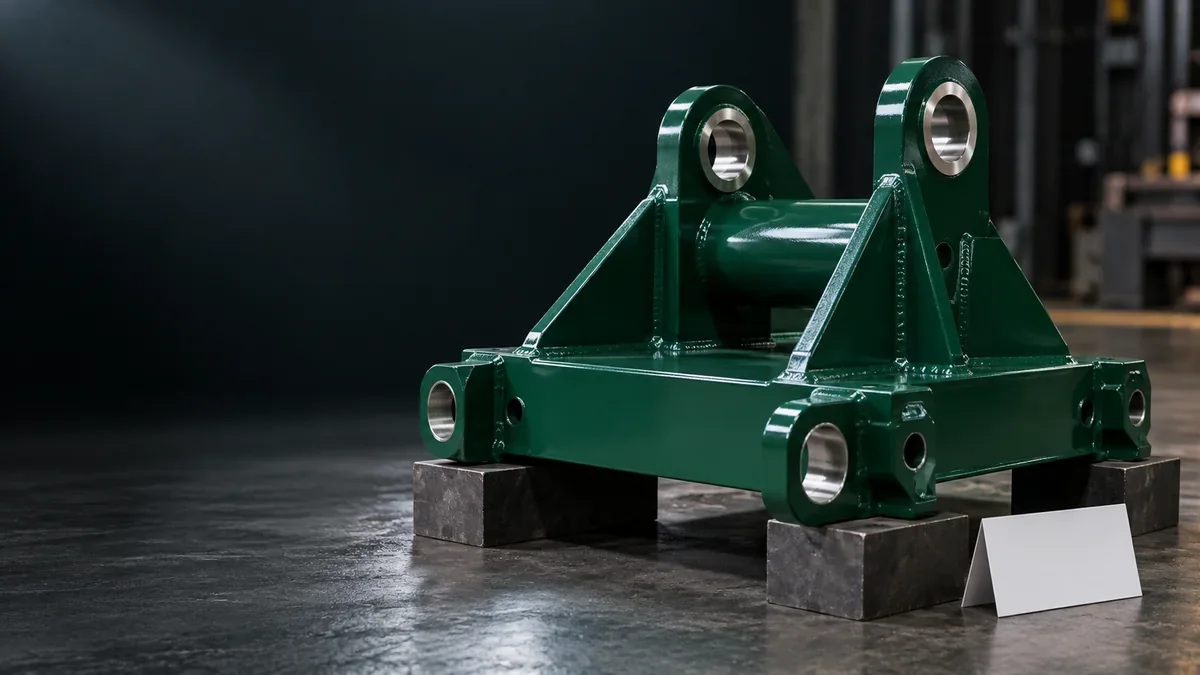
Use dated component references and photographs to record the reviewed coating condition before the approved movement. Identify outstanding touch-up or excluded surfaces separately from newly observed damage. Provide the relevant release record to the receiving party so they understand the handling basis and any restrictions. The dispatch record should link to the actual component list, because a broad photograph of several green-coated items may not show which specific piece was accepted for the proposed stage.
At receipt, the responsible parties should locate and document any handling damage or changed condition for review. Agree the repair scope, access, product requirements and acceptance evidence before touch-up proceeds. Separate that work from the original application and release history while retaining the connection between records. This helps the owner follow the coating package through movement without treating every later mark as proof of an initial application issue or assuming all damage can be repaired with an unspecified finish.
Define the coating scope before pricing
Send the installed system, application history and proposed support and loading arrangement. Identify the responsible coating, handling and receiving approvals before committing to the movement stage.
Coordinate the coating package and movement request
Send the component list, system specification, application records, intended handling date and proposed support arrangement. Include loading and receiving contacts, inspection requirements, outstanding work and the requested release format. Identify whether equipment transport coordination is also required and list it as its own service interface. A coating quote should show the agreed review and hold points so transport commitments do not depend on an unrecorded assumption about cure, handling or immediate availability.
Dominant Service & Supply, LLC is based in Harvey, Louisiana, and serves customer facilities and job sites through agreed arrangements. Call or text 504-579-4330 or submit Request a Quote with the coating and movement details. Specialized work locations and receiving are coordinated directly for the actual scope. The Harvey operating base is not a customer-facing storefront, and a contact response does not itself authorize asset delivery or establish a transport-release decision.
Reference documents for this scope
Review the current applicable project, manufacturer and regulatory documents for the actual scope. Use these references alongside the approved requirements and assigned project responsibilities.
Coating Cure Before Transport Release FAQs
What does transport release need to identify?
Name the asset, installed coating system, reviewed handling stage, supporting records and approving parties. Include the planned contact and support arrangement and any restrictions. A release should explain the operation it authorizes rather than simply state that a component is ready.
Is touch-dry the same as ready for transport?
Do not use appearance or touch alone as the release basis. Review the applicable approved system requirements, actual application history and intended handling arrangement. Identify the evidence needed for the particular stage and retain the responsible approval before movement proceeds.
Are recoat intervals the transport criterion?
Recoat intervals concern a different coating stage. Handling and later service exposure need their own applicable requirements and review. Use the documents for the actual installed system and obtain appropriate clarification if the intended movement condition is not adequately addressed.
What application information should be provided?
Identify products and coats, component references, relevant application dates, recorded conditions and required inspection results. Link those records to the surfaces being released. A product example or general elapsed-time estimate cannot replace the project history needed to review the actual component.
Who approves lifting and securement?
The appropriate equipment and handling parties establish their approved lifting, support and securement arrangements. Coating review provides the relevant surface and cure information for that interface. Keep the responsibilities separate and visible so coating acceptance is not mistaken for approval of load handling or carrier requirements.
Should support locations be shown?
Yes. Provide a marked drawing or photographs identifying proposed contact points, supports and protection. Assign the approval and supply responsibilities for those arrangements. A release reviewed for one contact layout should not silently cover a different loading or reassembly configuration.
Can padding replace the required cure review?
Protection materials are part of the handling arrangement and need appropriate review. They do not replace the applicable coating requirements or missing application evidence. Identify their intended contact locations and responsible approval together with the surface condition and release basis.
What if the truck arrives before release?
Use the agreed hold and authorization process. Identify the outstanding evidence or coating requirement and the responsible decision-maker. Schedule pressure alone does not close a release item. Record any properly authorized revised arrangement and its limits before changing the planned handling stage.
Can some touch-up remain after movement?
Only a specifically reviewed and authorized sequence should allow that. Locate the outstanding surfaces, destination access, responsible repair party and acceptance requirements. The release must state its limits so a later touch-up obligation is not mistaken for completion of the entire coating package.
What should dispatch photographs show?
Identify the component and relevant surfaces, reviewed condition, support interfaces and outstanding items. Connect photographs to the shipment list and release record. General images without component references can be insufficient to distinguish accepted coating from later handling damage or unresolved work.
How should damage found at receipt be addressed?
Locate and document it against the component record, then agree the responsible review, repair scope and acceptance evidence. Keep the repair connected to the original system and release history. Avoid assuming every mark has the same cause or can use an unspecified touch-up method.
How can Dominant review the handoff?
Send the installed system, component list, application records, proposed handling arrangement, dates and responsible contacts. Call or text Dominant Service & Supply, LLC at 504-579-4330 or use Request a Quote. Identify any separate equipment transport coordination needed alongside the coating package.
Discuss your coating project
Dominant Service & Supply, LLC serves Gulf Coast customer facilities and job sites from Harvey, Louisiana. Call or text 504-579-4330, or send the project details for a scoped quotation.